We Care

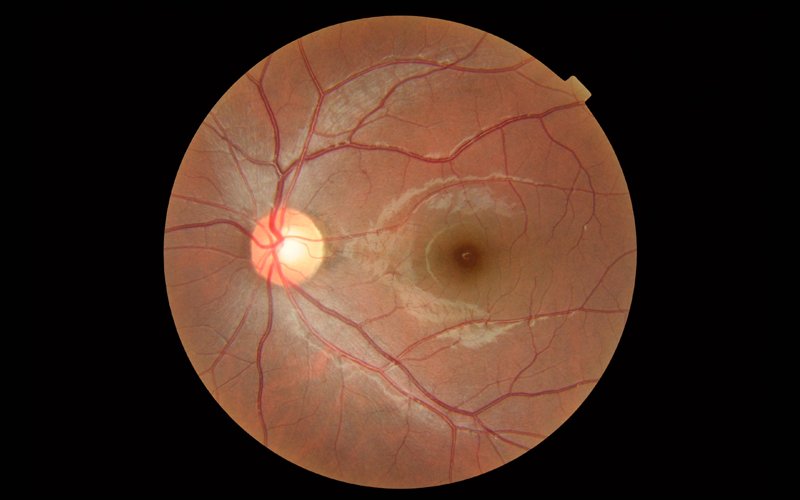
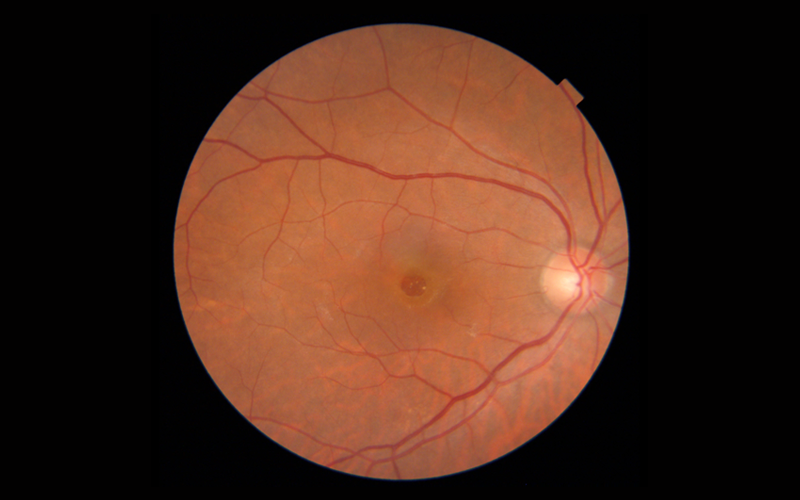
Macula is the central, most vital part of the retina. Macular hole is when a tear or opening forms in the macula. As the hole forms, things in the central vision look blurry, wavy or distorted. As the hole grows, a dark or blind spot...
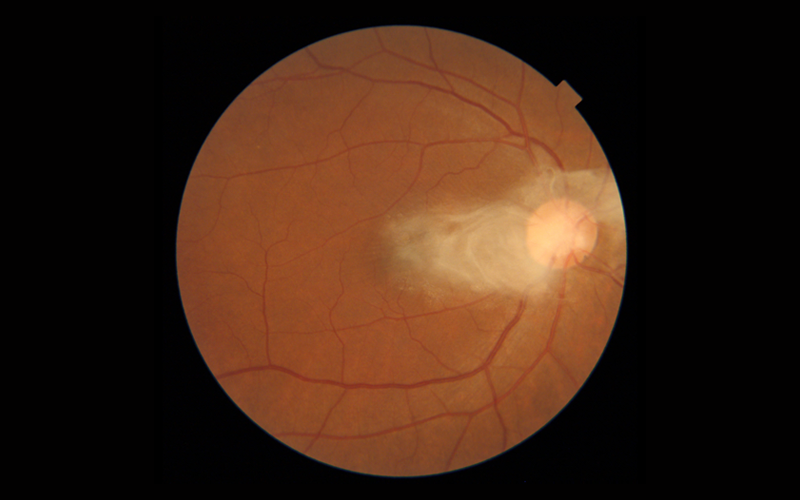
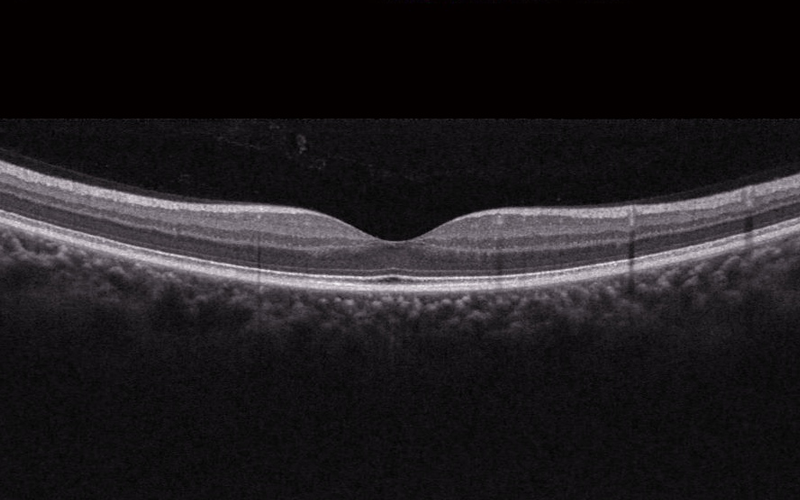
Epi-Retinal Membrane (ERM) is a thin layer that can develop on the central part of the retina. Over a period of time it may grow and lead to wrinkles, creases or bulges on the macula causing the central vision to be affected. Things look wavy...

In certain diseases of the eye, a body chemical called VEGF (Vascular Endothelial Growth Factor) is released. This VEGF causes abnormal blood vessels to grow in the retina which tend to leak and affect the vision. Drugs that block the trouble-causing VEGF are called anti-VEGF...

An Optical Coherence Tomography scan (commonly referred to as an OCT scan) is the latest advancement in imaging technology. This diagnostic technique employs light rays to achieve high resolution pictures of the structural layers of the back of the eye, mainly the retina and the...

The retina is the light-sensitive tissue lining the back of our eye. Light rays are focused onto the retina through our cornea, pupil and lens. The retina converts the light rays into impulses that travel through the optic nerve to our brain, where they are...

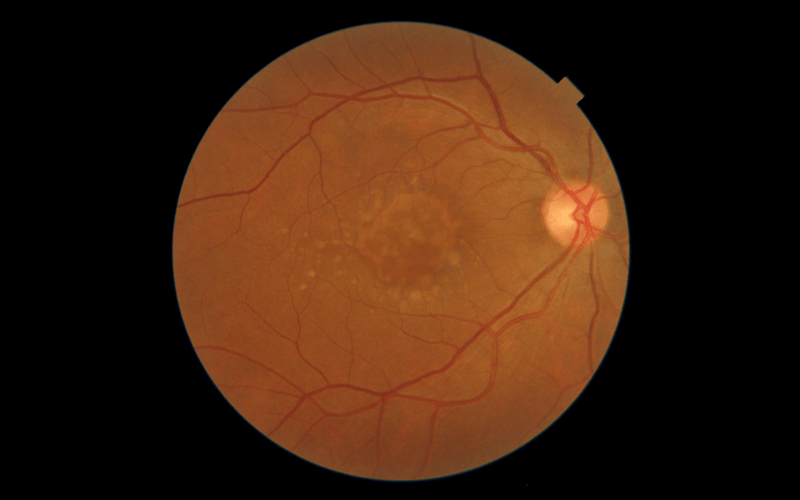
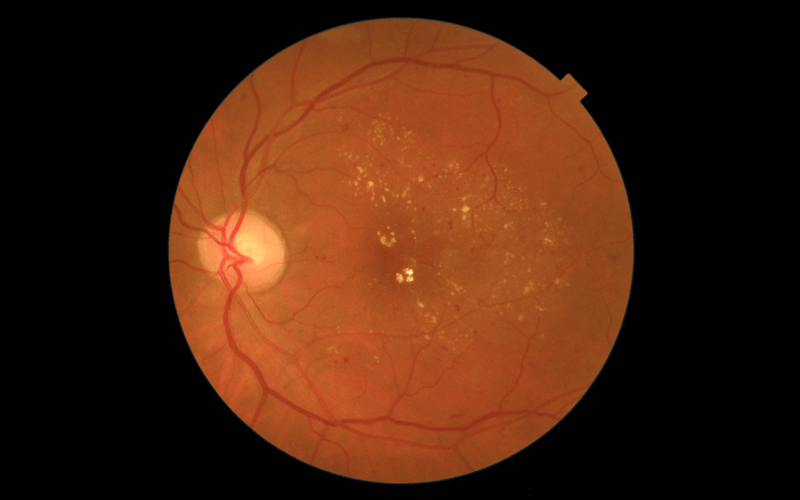
Age-related macular degeneration (AMD/ARMD) is a very common problem faced when the central part of the retina called the macula is damaged. It is a leading cause of vision loss after 50 years of age. With AMD the central vision is lost while the peripheral (side) vision...

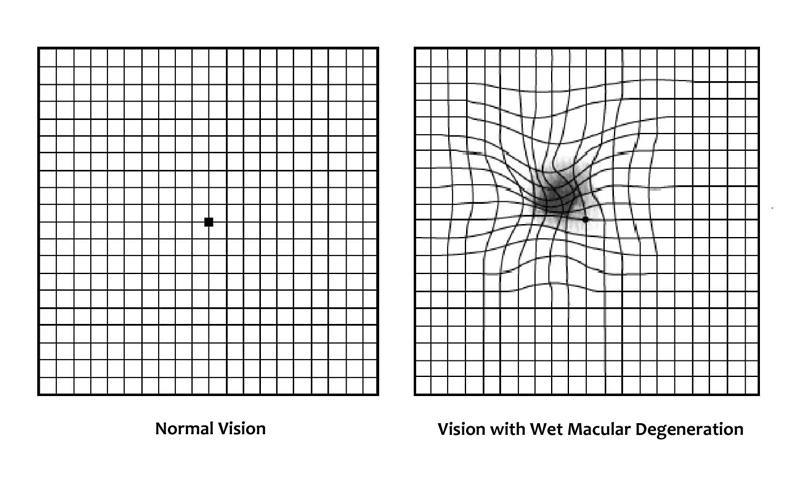
Various eye diseases (like AMD) cause the central vision to change over time. One may not notice these changes when they happen especially when only a single eye is affected at a time. But it is important to catch vision changes as soon as possible....

Pupils are the round, black openings at the center of the iris (the colored part of your eye). The iris opens and closes the pupil to allow more or less light into the eye. For the retina specialist to look inside the eyes, pupils must be dilated...